

-
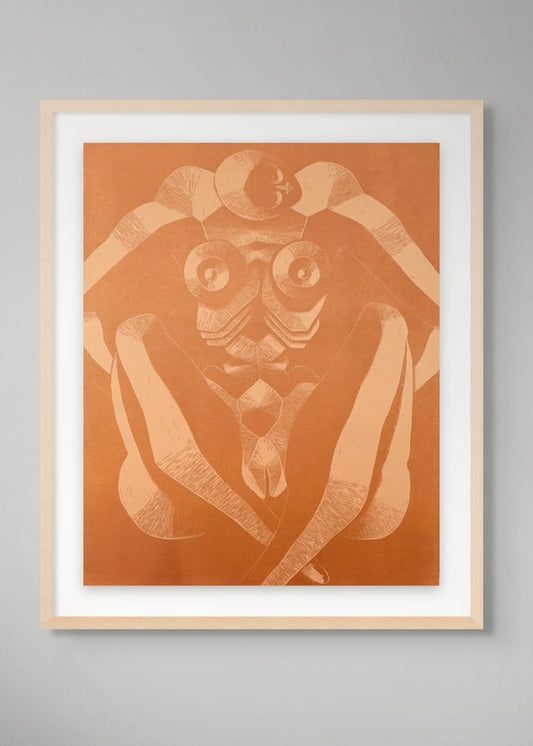
Woodcut by Cathrin Hoffmann
Regular price From €930,00 EURRegular priceUnit price per -
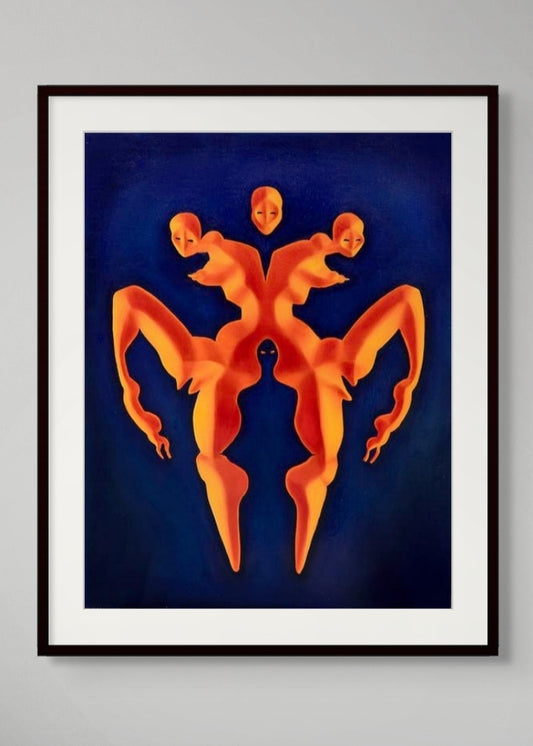
Painting by Cathrin Hoffmann
Regular price From €3.210,00 EURRegular priceUnit price per -
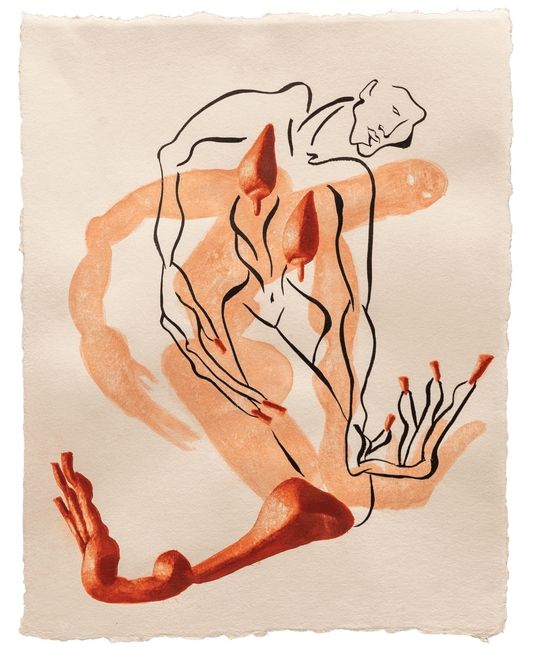
Ink on Paper by Cathrin Hoffmann
Regular price €1.670,00 EURRegular priceUnit price per -
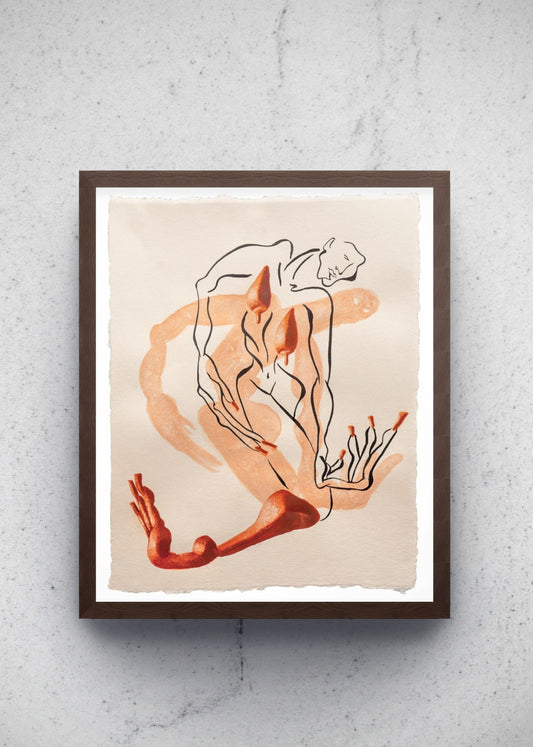
Ink on Paper by Cathrin Hoffmann
Regular price €1.670,00 EURRegular priceUnit price per -
Ink on Paper by Cathrin Hoffmann
Regular price €1.670,00 EURRegular priceUnit price per -
Sculpture by Cathrin Hoffmann
Regular price €5.990,00 EURRegular priceUnit price per -
Charcoal on Paper by Cathrin Hoffmann
Regular price €4.980,00 EURRegular priceUnit price per -
Painting on Paper by Cathrin Hoffmann
Regular price €4.550,00 EURRegular priceUnit price per -
Painting on Paper by Cathrin Hoffmann
Regular price €4.550,00 EURRegular priceUnit price per -
Charcoal on Paper by Cathrin Hoffmann
Regular price €4.980,00 EURRegular priceUnit price per


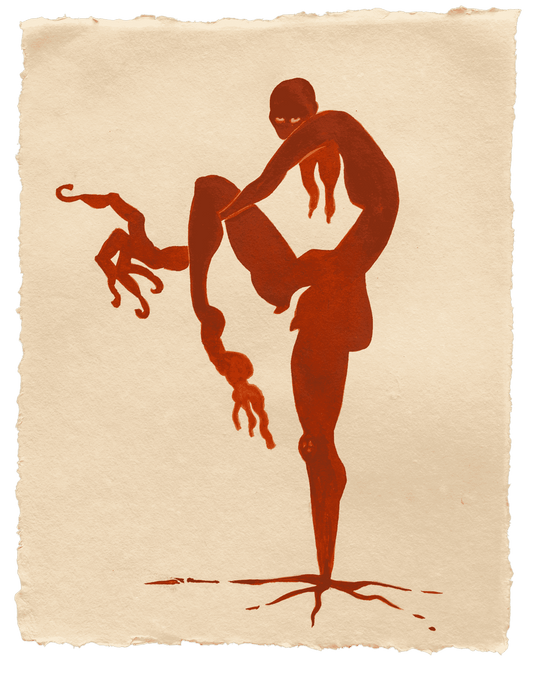
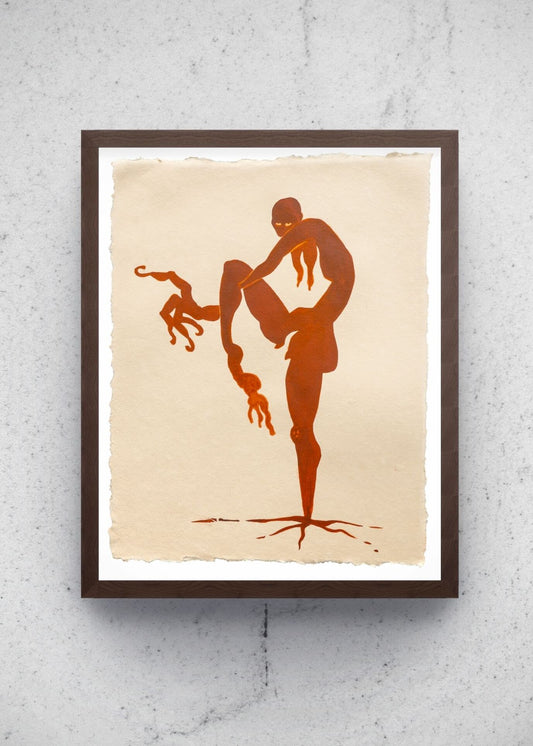

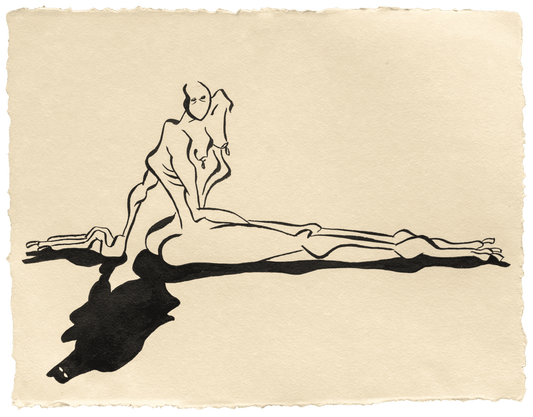

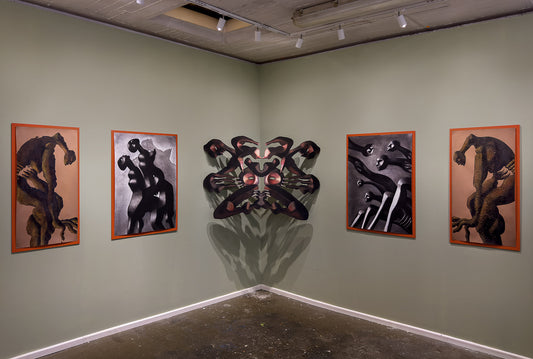

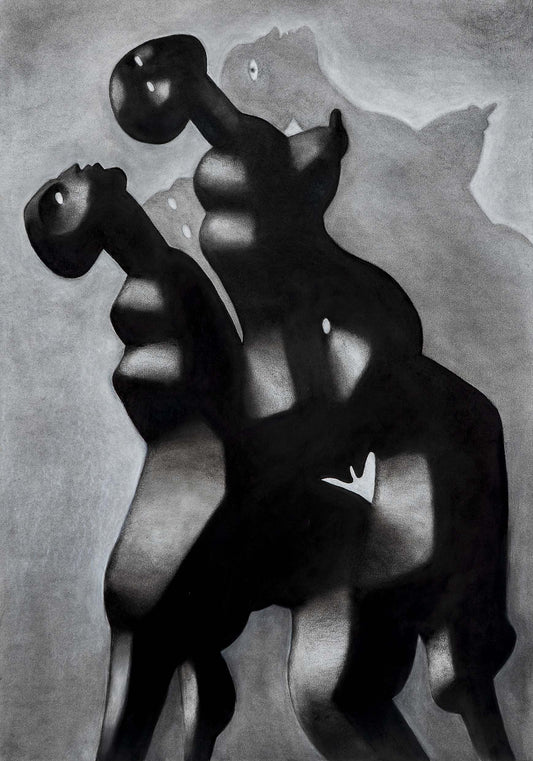

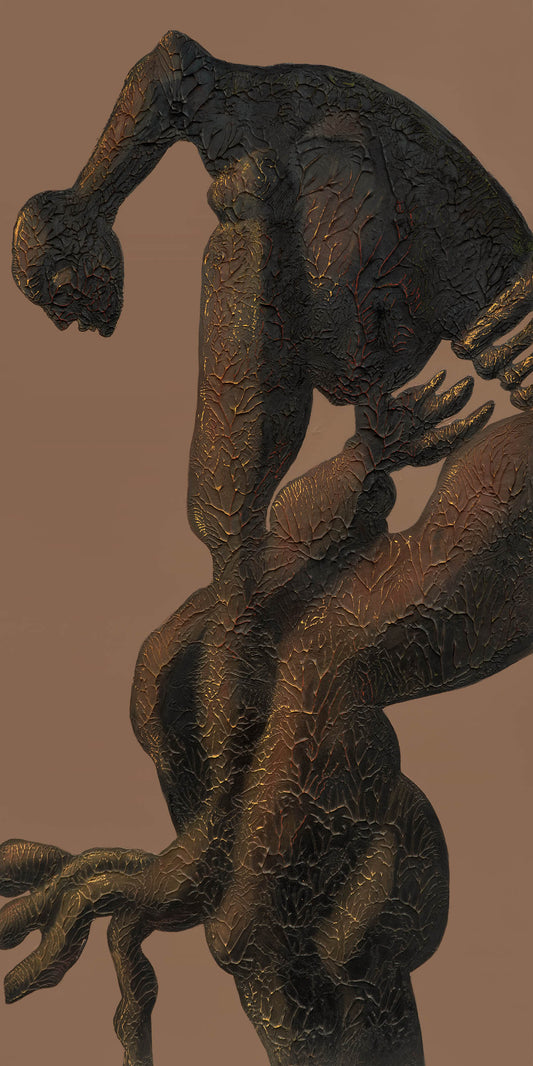

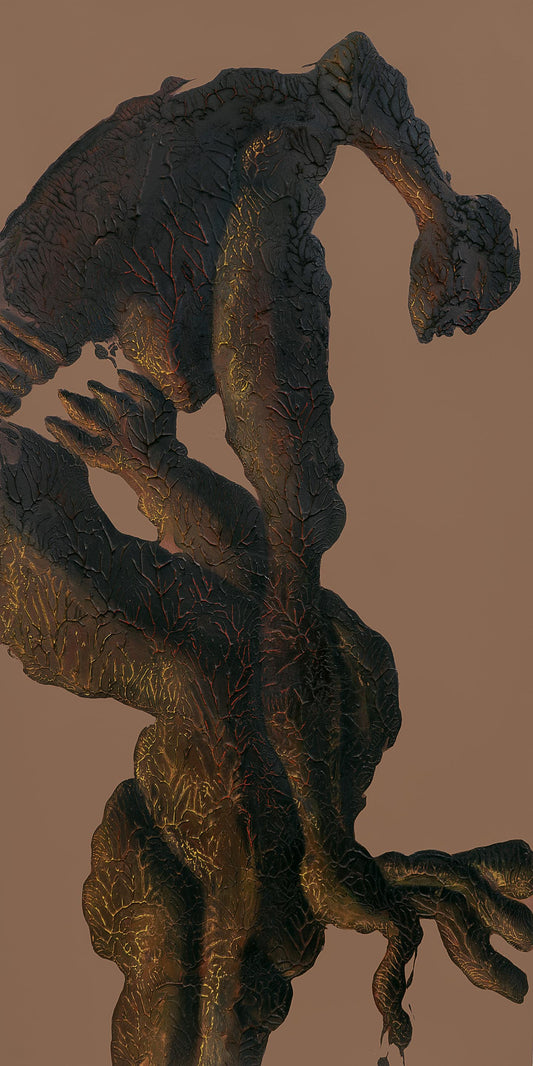

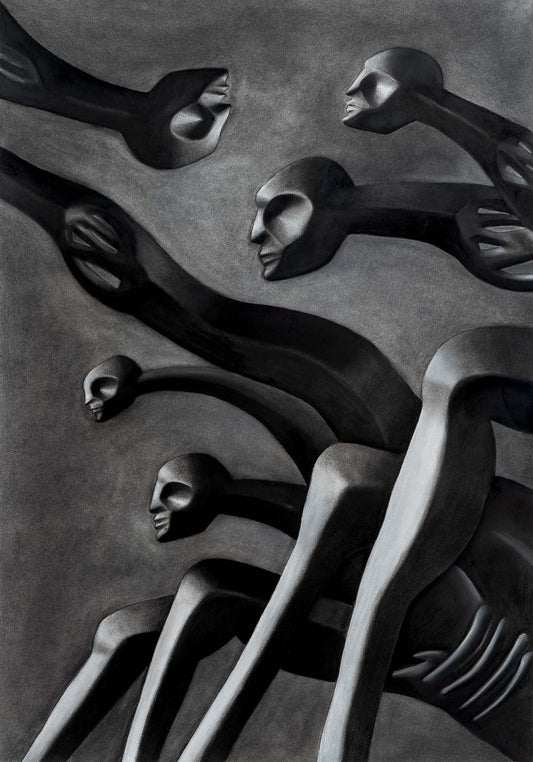
Cathrin Hoffmann is a German-Iranian artist who lives and works in Berlin. Her multidisciplinary practice spans painting, sculpture, and installation, and is rooted in a sustained inquiry into the conditions of human existence in the post-digital age.
Hoffmann's work engages with the accelerating transformations of contemporary life and the resulting crisis of humanism. Themes such as alienation, climate change, political instability, and armed conflict form a broader framework for her exploration of what it means to be human today. At the center of her practice lies a set of urgent questions: What becomes of humanity as the physical body is increasingly displaced by digital forms of existence? And how does an awareness of life itself shape the possibility of maintaining a sustainable relationship with the world?
Characteristic of Hoffmann’s work is her distinctive approach to the human figure. Rendered in abstract forms, her figures appear at once mechanical and geometric, yet also fluid and grotesquely distorted. This tension creates a visual vocabulary that recalls formal developments of modernism while simultaneously challenging its ideological limitations.
By revisiting key aspects of the modern era, Hoffmann critically addresses its blind spots, including insufficient gender representation, a detachment from social concerns, and an often unexamined fascination with technological progress. These elements are recontextualized within her work, opening a dialogue between historical narratives and the complex realities of the 21st century.
Hoffmann's practice is defined by a deliberate interplay between virtuality and physicality. She combines smooth, digitally influenced gradients and surfaces with expressive brushwork, raw textures, and unconventional materials. In doing so, she dissolves traditional boundaries between painting and sculpture.
For FRIDAY BIRD, Cathrin Hoffmann produced her first woodcut, created in close collaboration with Keystone Editions in Berlin and master printer Ulrich Kühle. The work extends her exploration of material and process into the medium of printmaking, translating her visual language into a new, tactile form.